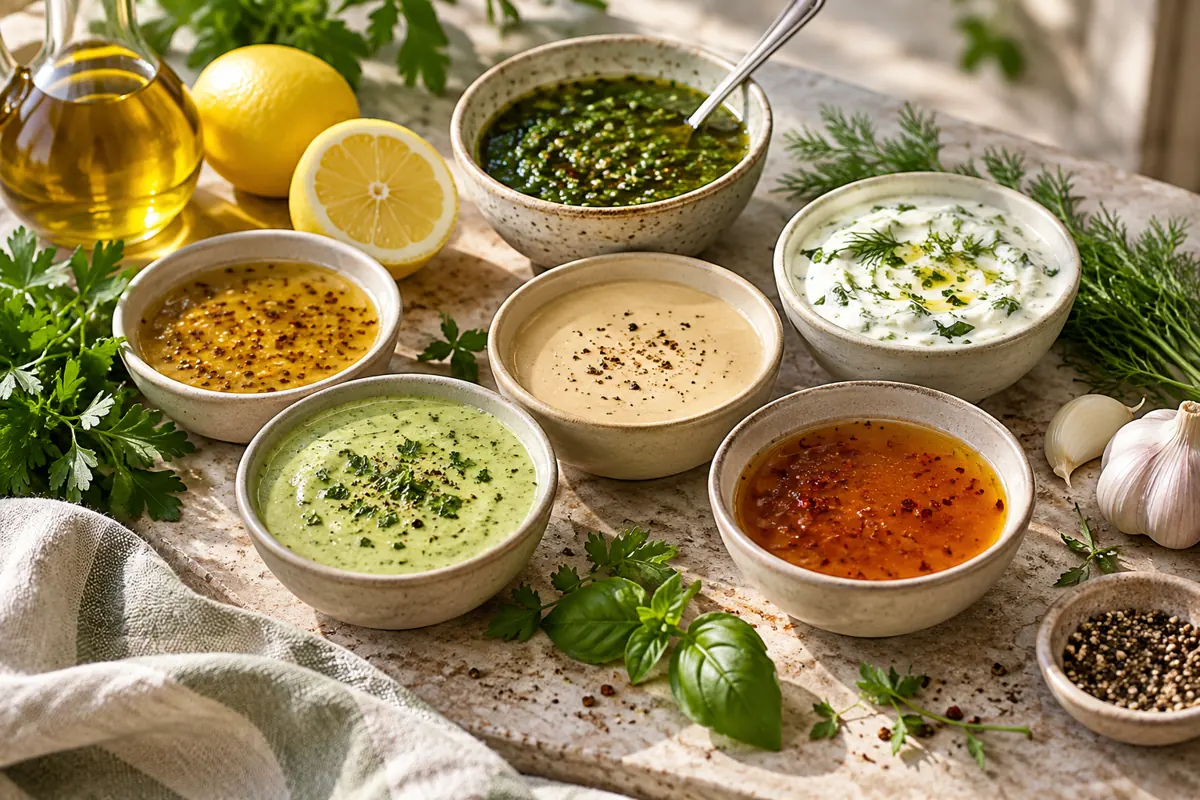
A good sauce can turn a bowl of vegetables, beans or leftovers into a meal you look forward to. There is no need to ban your favourites. To make an informed choice, look at what is in the sauce, how much you use and what you are eating it with.
What to compare on the label
Nutrition labels can help you compare sugar, salt, saturated fat and energy. The NHS recommends comparing products per 100 g or 100 ml, which puts different package sizes on the same basis. Then look at your actual portion: a spoonful of soy sauce and a generous serving of pasta sauce are not equivalent.
- Salt or sodium: soy sauce, fish sauce and some dressings can be salty. If the label lists sodium, 1 g of salt contains about 400 mg sodium. WHO conversion.
- Sugar: some barbecue, sweet chilli and tomato sauces contain added sugar; recipes vary. Compare labels rather than assuming every bottle is the same.
- Saturated fat: creamy sauces made with butter or cream may contain more than a yogurt- or olive-oil-based alternative, but check the specific products.
- Flavour and portion: a little strongly flavoured sauce may be plenty. “Lower sugar” is useful information, not a guarantee that a product is lower in salt or saturated fat.
Four simple swaps that keep the flavour
- For a creamy dressing: stir plain yogurt with lemon, garlic and herbs. Add a little water to thin; use a dairy-free alternative if needed.
- For a bright vinaigrette: whisk olive oil with lemon or vinegar and mustard. Taste and adjust the balance.
- For a savoury stir-fry: try reduced-sodium soy sauce with ginger, garlic and lime. Reduced-sodium products can still contain salt, so check the label.
- For a rich tomato sauce: simmer no-added-salt tomatoes with garlic, oregano and a little olive oil. Add chilli or smoked paprika if you like.
Compare a real serving
Imagine two dressings: one has 2 g salt per 100 g, the other 1 g per 100 g. At a 15 g serving, they contribute about 0.30 g and 0.15 g salt respectively. If you use 30 g, both amounts double. This is an illustration, not a claim about a particular brand. You can decide whether the difference matters for your usual meals.
Photos can miss dressing mixed into a meal. If you use a meal tracker, add a note about the type and amount when possible, and treat the result as an estimate. Make the sauce you enjoy part of the meal, not a source of anxiety.
Start with what the sauce does for the meal
Sauces can make everyday food enjoyable: a bright dressing lifts beans and greens, a creamy spoonful softens the heat of a curry, and a little savoury sauce gives a quick stir-fry depth. If a sauce helps you enjoy vegetables, grains or pulses more often, that is a practical reason to keep it in your cooking. The goal is to understand the tradeoffs rather than to classify every condiment as good or bad.
The same sauce can play different roles depending on how it is used. A concentrated soy sauce might be measured in teaspoons; a tomato pasta sauce can be a substantial part of a meal. Compare labels and the amount you normally use, then choose the qualities that matter for your circumstances: perhaps less salt, a different flavour, a dairy-free ingredient or a lower price.
How to compare two bottles step by step
- Choose similar products. Compare two dressings or two pasta sauces, not a teaspoon of hot sauce with half a jar of tomato sauce.
- Use a common basis. If available, compare values per 100 g or 100 ml. US labels often list nutrients per serving; if servings differ, convert them to a common quantity before judging.
- Look at more than one number. A lower-sugar product may be higher in salt, or a creamy sauce may have more saturated fat than a tomato-based one. Choose the tradeoff that matters to you.
- Calculate your likely portion. Multiply the per-100 g amount by the grams you use, divided by 100. A 20 g portion contains one fifth of the displayed per-100 g figure.
- Read the ingredients for practical needs. Check allergens and dietary requirements, and remember that labels and recipes vary by country and brand.
The NHS guide to food labels explains comparing values and UK high/low thresholds. The numbers are a way to make a choice, not a judgement about you or your meal.
Salt versus sodium: what does the number mean?
Packages may list salt or sodium depending on the market. Sodium is a component of salt. A practical conversion is that 1 g sodium is approximately 2.5 g salt, while 1 g salt contains approximately 0.4 g sodium. For example, 400 mg sodium is 0.4 g sodium, equivalent to roughly 1 g salt. These conversions help you compare labels, but check the units carefully: milligrams and grams differ by a factor of 1,000. WHO: sodium reduction.
Consider the rest of the dish too. A small quantity of a salty sauce can add flavour to unsalted rice and vegetables, while a ready-made meal and an additional salty topping may add together. Lower-sodium versions can help, though they are not automatically low in sodium. Taste before adding extra salt and use ginger, citrus, herbs or spices to build other flavours.
Sugar, fat and creamy textures
Sweet chilli, barbecue and some tomato sauces can contain added sugar; recipes vary. Check a label rather than assuming a whole category has the same amount. If you like the flavour, try a smaller amount mixed with vinegar, lemon or an unsweetened tomato base. The NHS sugar guidance notes that sauces can contribute sugar even when they are not thought of as desserts.
For creaminess, try plain yogurt mixed with lemon and herbs, blended white beans with garlic, or tahini thinned with water and citrus. Each tastes different and has a different nutrient profile. Tahini and oils are energy-dense; yogurt can contain dairy; beans add their own texture. The best swap is one that fits the meal and any allergies, not the one with the most virtuous-sounding name.
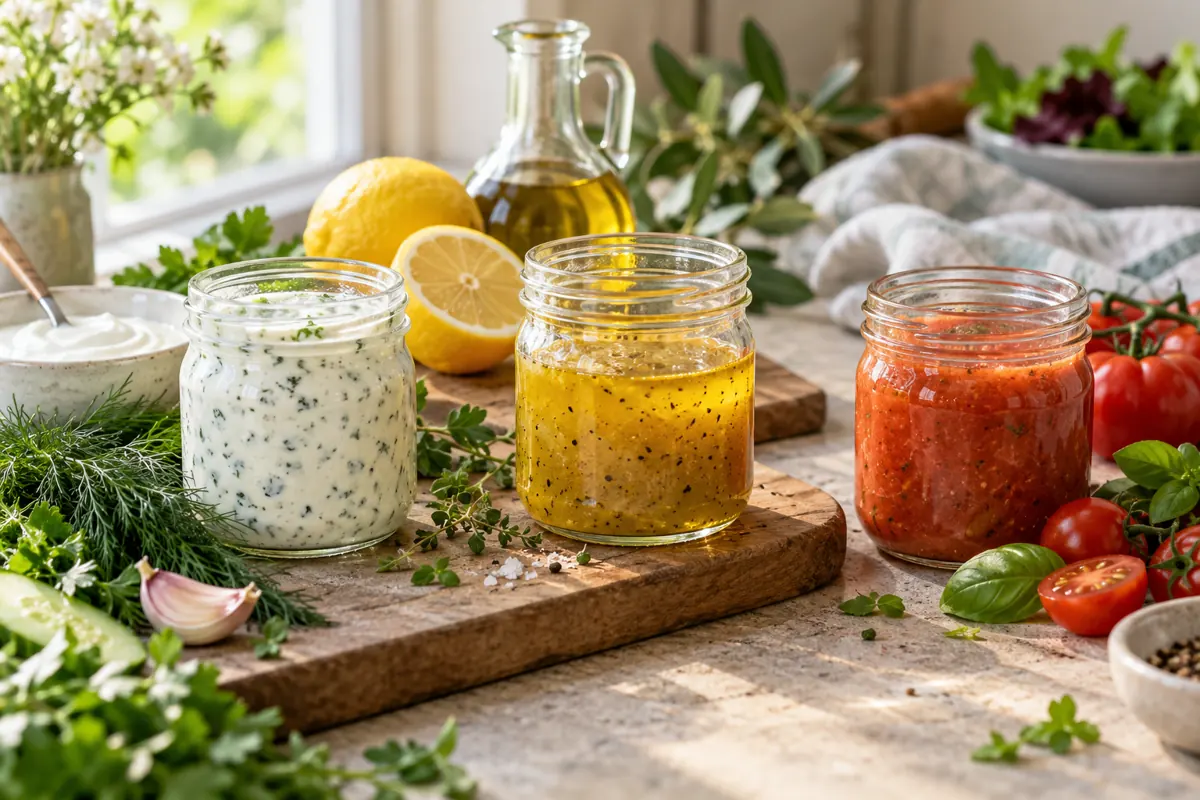
Four quick sauces you can actually make
- Lemon-herb yogurt: stir plain yogurt with lemon, chopped herbs and a little garlic. Add water gradually until spoonable. Serve with potatoes, roasted vegetables or a grain bowl.
- Tomato and paprika: warm no-added-salt tomatoes with garlic and smoked paprika. Simmer to the texture you like and use with beans, eggs or pasta.
- Ginger-lime dressing: mix lime juice, grated ginger and a modest amount of soy sauce, adding water to soften the intensity. Try it with tofu, noodles or vegetables.
- Quick bean dip: mash drained white beans with lemon, herbs and a little olive oil. Use as a spread or loosen with water for a sauce.
These are flexible combinations, not fixed nutrition prescriptions. Taste before serving, and check ingredients for allergens such as dairy, soy, sesame and mustard. If you make a perishable sauce, refrigerate it promptly and follow food-safety guidance for leftovers. Food Standards Agency: storage and leftovers.
When you are eating out or tracking a meal
Restaurant dressings and sauces can differ from homemade versions, and an attractive plate may hide oil or a sauce mixed underneath. If you want to know more, ask what is in the sauce or request it on the side. You can add the amount you enjoy without needing to avoid it altogether.
Caloza can provide an editable estimate from a photo, but a photo cannot see the exact recipe, the amount mixed into a dish, or a product’s nutrition label. Add a note when you know the sauce and approximate amount, then review the resulting ingredients and portions. If accuracy is essential for a medical or allergy decision, use the product label or the advice of a qualified clinician instead.
Common questions
Is a homemade sauce always healthier? Not automatically. Its ingredients and amount still matter, though making it yourself lets you adjust flavour and know what went in.
Should I avoid oil-based dressings? No. Liquid oils can provide unsaturated fats, and a dressing may make a salad more enjoyable. Oil is concentrated energy, so the quantity used is useful context if you are tracking a meal.
Does “reduced salt” mean I can ignore the label? No. It is a comparison with another product or formulation, and the remaining salt may still be meaningful in your usual portion. Read the specific product’s panel.
A closer look at portions and comparisons
Consider two imagined tomato sauces. Sauce A lists 1.2 g salt per 100 g and sauce B lists 0.6 g. If you use 50 g, the first contributes approximately 0.6 g salt and the second 0.3 g. If a recipe serves four and uses 200 g of sauce divided evenly, the same 50 g-per-person calculation applies. Check the label and serving size on the product you actually buy; these figures are examples only.
Comparison is less straightforward when a sauce is served on the side and people use different amounts. A measured tablespoon can help you understand your usual portion if you are curious, but it need not become a rule. Some dressing remains in a bowl and restaurant recipes may not be available, so a precise-looking estimate may still be uncertain.
Use a flavour bridge when changing a favourite
If you like a creamy bottled dressing, try mixing some of it with plain yogurt and lemon. If a sweet chilli sauce tastes too sweet, blend a little with lime, ginger and water. If your usual soy sauce tastes very salty, compare a reduced-sodium version and try a mixture while adjusting to the flavour. These are suggestions, not promises that every mixture has a particular nutrient value; use the labels and amounts to compare.
Keep the sauce you enjoy when it is the reason a meal works for you. A little flavour can make beans or vegetables easier to enjoy, and the whole meal matters more than the reputation of one condiment. If you have a medical sodium restriction, follow your clinician’s personalised instructions rather than general examples.
What to do when a sauce has no label
At a restaurant, ask the staff about ingredients if you need to avoid an allergen or follow a medically required diet. If your interest is general nutrition, asking for the sauce on the side gives you a way to taste and choose the amount you enjoy. A photo cannot determine the exact recipe, and without reliable ingredient or portion information any nutritional calculation remains an estimate. At home, record the ingredients and approximate recipe yield if you want a more useful comparison next time.
Make a sauce once, use it twice
A lemon and yogurt mixture can accompany roasted vegetables one day and become a sandwich spread the next. A tomato sauce can work with pasta, beans or eggs. Divide and refrigerate perishable sauces promptly, use clean utensils, and follow the ingredient labels and the Food Standards Agency’s storage guidance. Making a small batch gives you time to decide whether you like the flavour before preparing more.