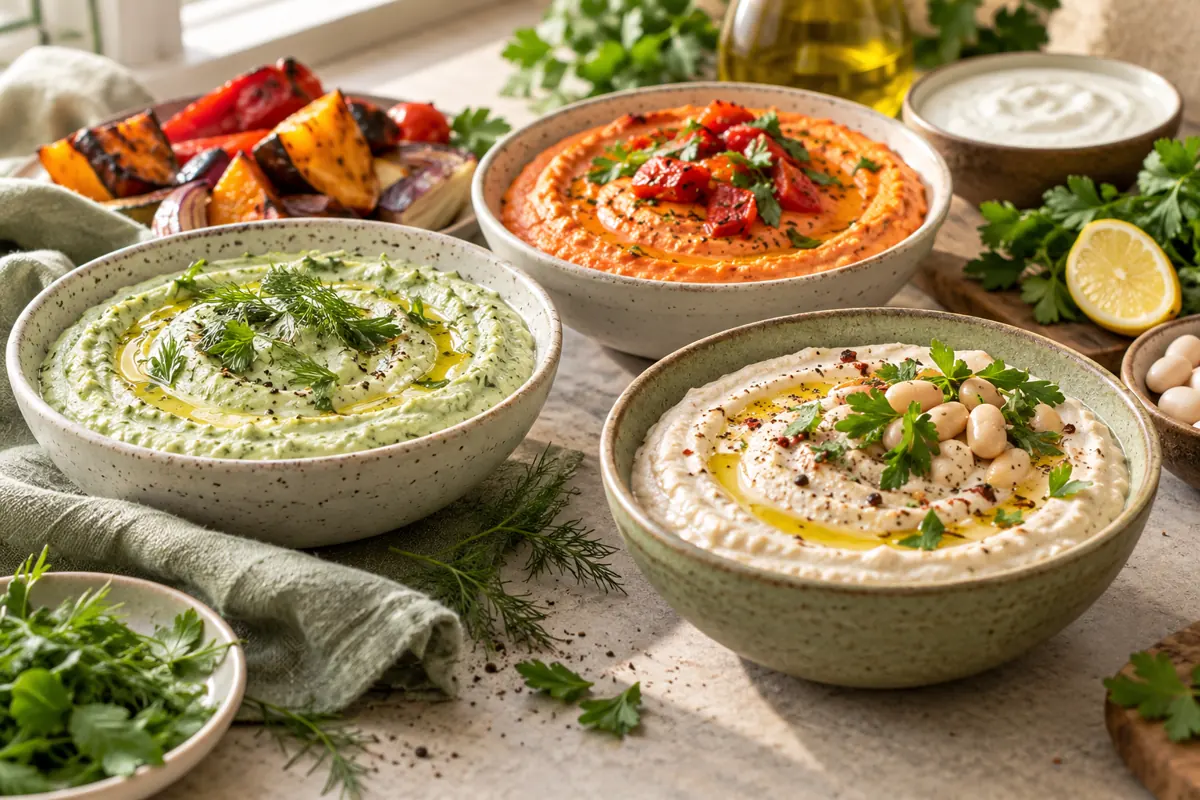
A creamy sauce does not have to be heavy to be satisfying—and you do not have to give up cream or butter altogether. Try changing the base or mixing a little of your favourite sauce with another ingredient. The goal is a texture and flavour you will want to make again.
1. Yoghurt, lemon and herbs
Stir four tablespoons of plain yoghurt with one teaspoon lemon juice, chopped dill or parsley and black pepper. Add a little water to loosen. Use on warm potatoes, roast vegetables or a grain bowl. For a dairy-free sauce, use an unsweetened plant yoghurt that you like; protein and fat content vary by product.
For hot pasta, take the pan off the heat before adding yoghurt, and loosen it with a little warm cooking water. Very high heat can cause the yoghurt to split.
2. Blend white beans into a pasta sauce
Blend drained, rinsed canned white beans with a small amount of warm water, garlic, lemon and a drizzle of olive oil. Add gradually until the sauce is as loose as you like. Toss through pasta and spinach; finish with pepper and a little grated cheese if desired.
Beans supply both fibre and protein, and the NHS recommends pulses as part of a balanced diet. Choose a no-added-salt or lower-salt can if available. [1] [2]
3. Make a tahini-lemon drizzle
Whisk one tablespoon tahini with lemon juice and enough water to reach pouring consistency. Add grated garlic or cumin. Tahini is made from sesame: avoid it if you have a sesame allergy. Its flavour is rich, so a little can go a long way over cauliflower or lentils.
4. Thin a favourite sauce instead of replacing it
Mix a spoonful of mayonnaise with plain yoghurt and lemon for a dip, or use a little cream alongside puréed cauliflower or tomatoes in pasta sauce. The flavour you like remains, while the balance of ingredients changes. Compare labels for saturated fat, salt and sugar if those are relevant to you.
Make it safe and make it yours
Use clean utensils, refrigerate perishable leftovers promptly, and follow storage instructions. The UK Food Standards Agency advises putting leftovers in the fridge within two hours and eating them within 48 hours or freezing them. [3]
If you photograph a meal in Caloza, note whether the sauce contains yoghurt, beans, cream or oil and approximately how much you used. A picture alone cannot reliably reveal hidden ingredients; review the estimate and adjust it when needed.
Choose the change that actually solves your problem
“Creamy” describes a texture, not one particular food. You might want less saturated fat, a dairy-free meal, more beans in your week, a sauce that uses what is in the fridge, or simply a different flavour. Each goal suggests a different choice. Plain yoghurt, blended beans, tahini and puréed vegetables all behave differently in a pan, so taste and adjust rather than treating them as interchangeable in every recipe.
If saturated fat is the main consideration, compare the nutrition panels of the products you use, including their serving sizes. Cream, yoghurt, plant alternatives and prepared sauces vary. If an allergy is the issue, check the full ingredients and preparation environment. If you love a traditional cream sauce, keeping some of it and adding vegetables or a bean-based component may be a more satisfying change than replacing it entirely.
A creamy white-bean pasta, step by step
- Cook pasta according to its package. Before draining, reserve a little of the cooking water in a clean heatproof cup.
- Drain and rinse canned white beans. Blend some with a small splash of water, a little olive oil, lemon and garlic until smooth. If you have no blender, mash them thoroughly with a fork for a more rustic sauce.
- Warm the bean mixture gently in a pan. Add the pasta and a little reserved cooking water, stirring until the sauce coats it. Add water gradually; it is easier to thin a sauce than to thicken one you have diluted too much.
- Add cooked spinach or peas, black pepper and a squeeze of lemon. If you want cheese, add a little at the table. Taste before adding salt, especially if the beans or cheese are already salty.
Use a lower-sodium or no-added-salt can where available. The American Heart Association suggests draining and rinsing canned beans and describes their role as a source of fibre and plant protein. This is a food idea rather than a promise that the finished dish contains a particular amount of either nutrient: the recipe and portion matter.
A yoghurt sauce that stays pleasant
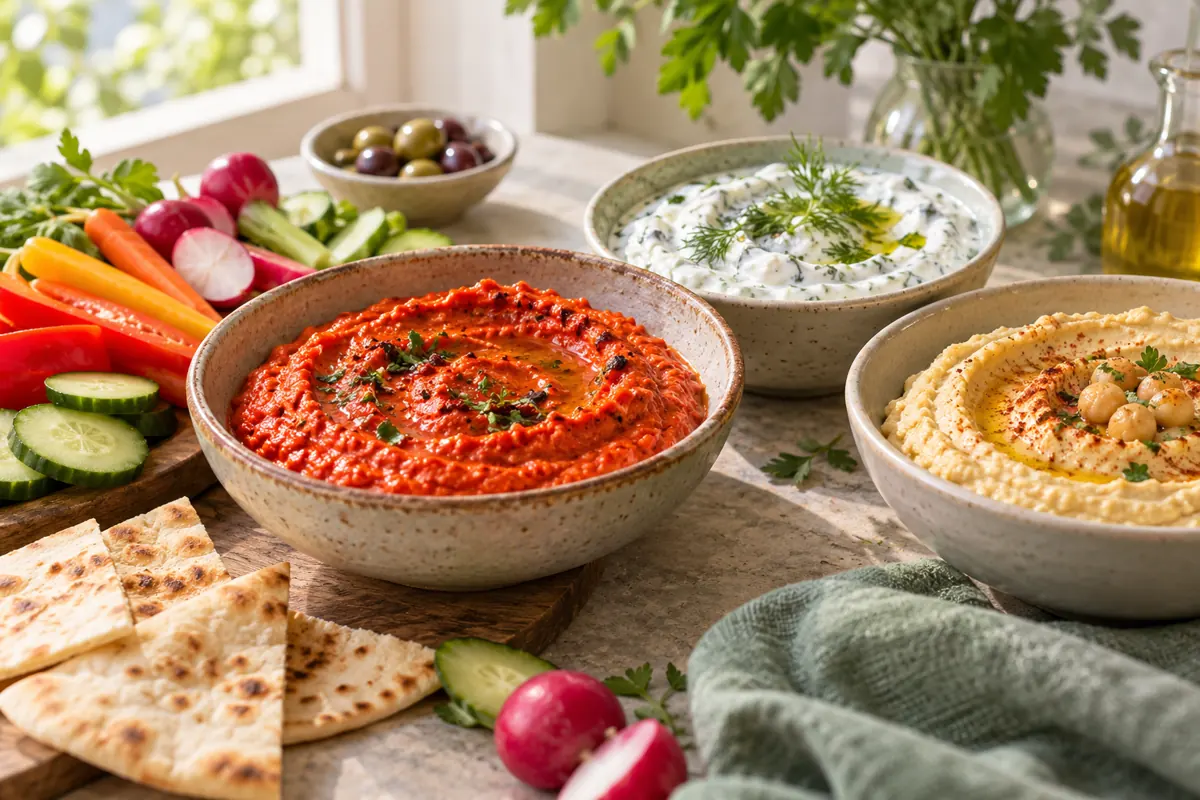
For a cold sauce, whisk plain yoghurt with lemon, finely chopped herbs and a little water. Try parsley with garlic, dill with cucumber, or mint with roasted carrots. Add an ingredient at a time and taste. A thick yoghurt gives a dip-like result; a thinner one may make a useful drizzle. Check whether the yoghurt is sweetened before using it in a savoury dish.
For warm food, remove the pan from direct heat before stirring in yoghurt, and loosen it with a little warm water if necessary. Sudden high heat or too much acidity can make some yoghurt sauces split. If this happens, the appearance and texture may change; start with a smaller portion next time and mix gently. Avoid leaving the finished food at room temperature for extended periods.
Other creamy bases to try
- Roasted cauliflower: blend cooked cauliflower with warm water, garlic and a little olive oil. Use as a mild pasta sauce or soup base. Add herbs, lemon or a little cheese for the flavour you prefer.
- Tahini: whisk sesame paste with lemon and gradually add water. It is useful with roasted vegetables, chickpeas and grain bowls, but avoid it for a sesame allergy.
- Blended lentils: stir cooked red lentils into a tomato sauce or blend them with roasted vegetables. Their texture differs from cream, so start with part of a familiar sauce and adjust.
- Yoghurt and mayonnaise: mix the two with lemon and pepper for a familiar but tangier sandwich spread. Refrigerate it promptly and check milk and egg allergens as applicable.
- Soft tofu: blend a suitable plain tofu with lemon and herbs for a dairy-free base. Check soy allergies and choose a product with a texture you like.
Each option brings different nutrients, flavours and allergens. A plant-based alternative is not necessarily lower in salt or higher in protein than a dairy version; compare the exact labels if that matters to you. The MedlinePlus food-label guide explains how to compare a serving with the quantity you use.
Troubleshooting flavour and texture
If a sauce tastes flat, try a little lemon, vinegar, herbs or garlic before reaching for additional salt. If it tastes too sharp, mix in more of the base. If it is too thick, add a small splash of water and stir; if it is too thin, add more of the original base or simmer gently if the ingredients tolerate heat. Stronger flavours are easier to add in stages than to remove.
Texture can change after chilling. Stir a refrigerated dressing before serving and loosen with a little water if needed. A sauce that smells or looks suspicious should not be tasted as a safety test; follow safe storage times and discard food when in doubt. Wash produce, use clean equipment and keep ingredients separate from raw meat and poultry. CDC: Food safety and produce.
Make a batch that fits your week
Mix only the amount you expect to use, particularly for a dressing containing yoghurt or other perishable foods. Keep it refrigerated and use it promptly. The UK Food Standards Agency advises cooling and placing leftovers in the fridge or freezer within one to two hours and eating refrigerated leftovers within 48 hours. Food Standards Agency: leftovers. Follow package instructions and local advice where they differ.
If you log the finished meal in Caloza, describe the sauce base and roughly how much was added. A creamy-looking sauce could contain beans, yoghurt, cream, oil or a combination; a photo alone cannot reliably distinguish the recipe. Review the ingredient breakdown, and use the actual package for allergy or product-specific nutrition information.
A practical shopping list
For a week of flexible sauces, you might keep plain yoghurt or a suitable alternative, a can of beans, a lemon, garlic and a dried herb. If sesame is safe for you and you like its flavour, tahini can add another option. Buy quantities that fit your budget and the storage time on the package. Frozen vegetables are useful for a quick purée and do not require a separate shopping trip.
Start with one sauce rather than preparing all five. For example, blend beans for pasta on one evening, then use a small yoghurt-herb dressing with potatoes another day. If a recipe needs more flavour, change one thing at a time so you can identify what worked. A sauce is successful when it suits the meal and people eating it, not because it uses a particular trendy ingredient.
When substituting because of an allergy, be precise about the ingredient rather than assuming “plant-based” means allergen-free. A non-dairy yoghurt may contain soy or nuts; tahini contains sesame. Check labels every time and discuss cross-contact when the consequences of a reaction could be serious.
Choose a sauce for the meal, not a rule
A chilled yoghurt sauce makes sense with cucumber or a warm potato; a blended bean sauce can cling to pasta; a tahini drizzle works well with roasted vegetables. Pick a base you enjoy and can eat safely, then add lemon, herbs or garlic for contrast. A small amount of a familiar sauce mixed into a new base is another option if a complete change does not appeal.
For a shared meal, serve the sauce separately when people have different preferences or allergies. Check ingredients in packaged foods and avoid cross-contact with allergens during preparation. One person's suitable alternative may be another person's allergen: a dairy-free sauce may still contain soy, sesame or nuts.
Write down the proportions you like. You can then adjust texture with water or flavour with herbs without needing a complicated recipe. Refrigerate perishable mixtures promptly and follow the storage instructions already described.
For a quick dinner, pair a bean-based sauce with pasta and vegetables, or serve an herb-yoghurt sauce alongside potatoes and a protein food you enjoy. Keep an alternative on the side when the table includes people with different allergies or dietary preferences.